
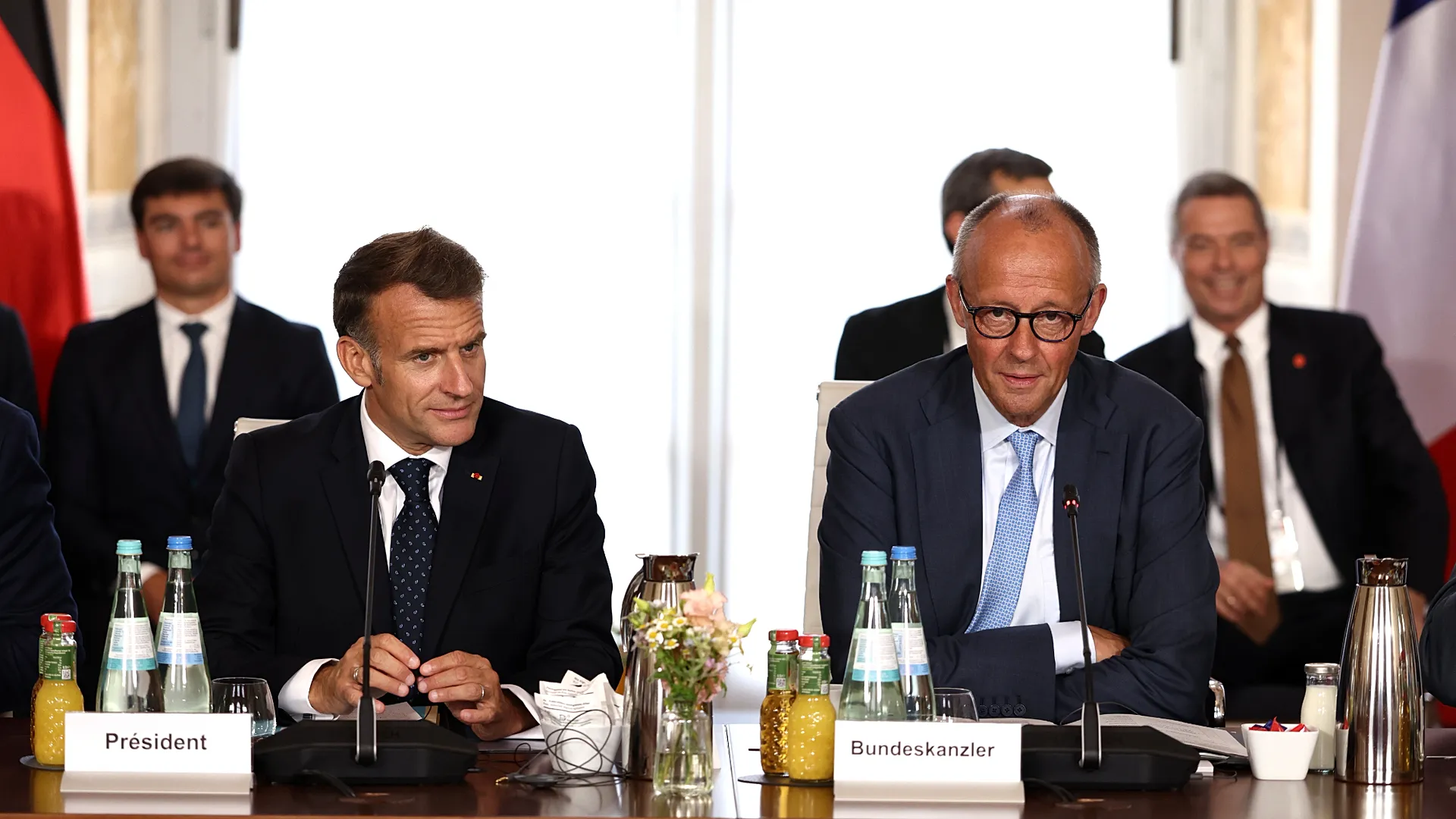
France and Germany have reached a bilateral agreement on how to handle the EU's looming 2035 deadline for combustion-engine cars, pairing a softer version of the emissions rule with tougher requirements that automakers build their vehicles using European-made parts. The deal, struck on the sidelines of an EU leaders' gathering in Brussels, signals how the bloc's two biggest car-producing nations want to reshape a Commission proposal that has unsettled their domestic auto industries.
Rather than rejecting the 2035 target outright, the two governments are aiming to recast it, trading flexibility on emissions for a harder line on where the cars and their components actually get made.
A Softer Emissions Line
Under the Paris-Berlin position, carmakers would need to cut CO2 emissions by 90 percent by 2035, rather than the 100 percent effectively required under the original rule, and without the offsetting mechanism the European Commission's proposal would have demanded for the remaining emissions. That gap is designed to leave room for some combustion-engine and hybrid models to keep rolling off production lines past 2035, rather than forcing a hard cutoff to all-electric sales.
A Hard Line on 'Made in Europe'
In exchange for that flexibility, the two countries want new local-content rules: 70 percent of a car's components, batteries excluded, would need to be produced in Europe, along with at least 10 percent of battery content. Qualifying production would extend beyond the EU to Norway, Iceland, Switzerland and the UK, provided those countries sign on to agreements guaranteeing reciprocal market access.
A source close to the French presidency framed the goal bluntly, saying the arrangement is meant to create a European preference so that factories on the continent do not end up as little more than assembly plants bolting together parts made elsewhere, a pointed reference to concerns about Chinese and other non-European suppliers gaining ground inside the EU's own car industry.