
Germany's independent Council of Economic Experts, often called the "Five Sages," now expects the economy to grow by 1.3% in 2026, more than twice the 0.5% it forecast in May. The council also raised its 2027 outlook to 1.0% from 0.8%. The upward revision, published on November 11 in the council's annual report, reflects stronger-than-expected exports and a large boost from government spending.
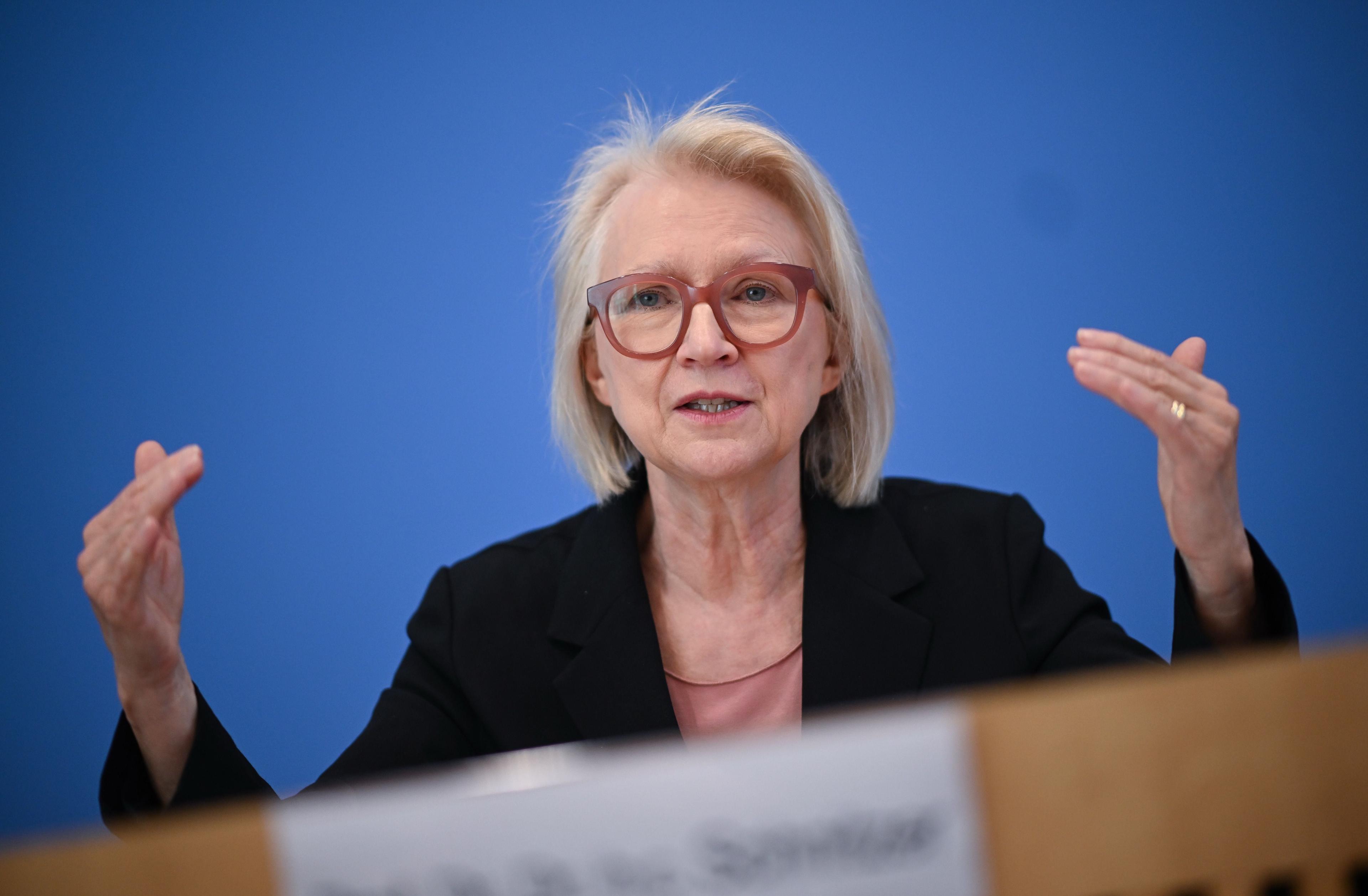
Presenting the report in Berlin, council chairwoman Monika Schnitzer said the economy had recovered more quickly than expected from the energy price shock that followed the war in Iran. Exports have developed better than the council feared in the spring, while debt-financed special funds for infrastructure, climate investment, and defence are feeding directly into demand.
From energy shock to modest rebound
In May, the advisers had slashed their 2026 forecast to just 0.5%, worried that high energy costs would hold back factories and households. Since then, the picture has changed. The economy proved more resilient, and public spending plans have expanded. As a result, the council now expects the first clearly positive year since 2022.
The rebound is still modest by historical standards. Growth of 1.3% in 2026 and 1.0% in 2027 will not reverse years of stagnation overnight. But it marks a shift from the recession and near-zero growth that Germany has experienced in recent years.
Spending drives demand, but inflation stays high
The council pointed out that the extra state spending is not costless. It expects consumer price inflation to reach 2.8% this year and 3.3% next year, partly because of higher energy prices. That means households will continue to feel pressure even as the overall economy expands.
Productivity growth also remains weak. The council said that companies are not becoming more efficient quickly enough, partly because of high social security contributions and energy costs. Without faster productivity gains, the recovery could lose momentum once the current surge in public investment fades.