
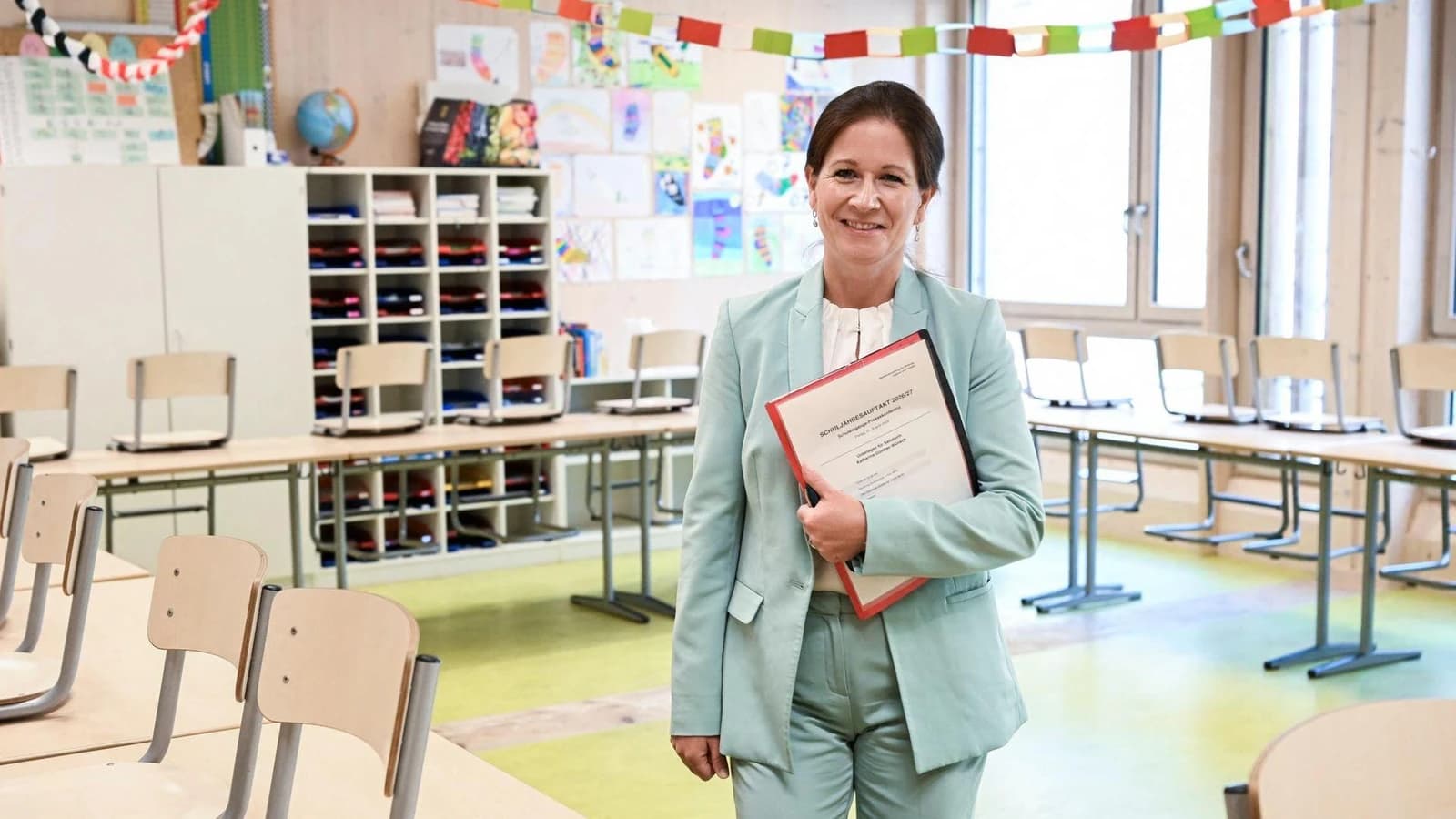
Berlin's classrooms will be more crowded than ever before when the new school year opens next week, according to Berliner Morgenpost. The outlet reports that the number of students enrolled in the German capital's schools has climbed to its highest level on record, a milestone that underscores both the city's continued population growth and the mounting pressure on its education infrastructure.
The surge in enrollment is not a sudden development but the culmination of years of steady growth in Berlin's school-age population. The city has absorbed significant numbers of new residents over the past decade, driven by domestic migration from other parts of Germany, international immigration, and periods of elevated birth rates in the 2010s. Those demographic shifts are now working their way through the school system, filling out grade levels from elementary school through secondary education.
For families across the city, the practical consequences of a record student body are already familiar. Waiting lists for popular schools, larger class sizes, and long commutes to schools outside a family's immediate neighborhood have become common complaints in districts such as Pankow, Mitte, and Friedrichshain-Kreuzberg, where population growth has outpaced the construction of new educational facilities. School administrators in these areas have had to find creative solutions, from repurposing gymnasiums and libraries as temporary classrooms to staggering schedules to make the most of limited building capacity.
The record numbers also intensify a challenge that has dogged Berlin's education system for years: a persistent shortage of qualified teachers. Even before this year's enrollment figures, school leaders and unions had warned that the city was struggling to recruit and retain enough educators to keep pace with demand. A larger student population without a corresponding increase in teaching staff risks larger class sizes and heavier workloads for existing teachers, concerns that education advocates have raised repeatedly with the Berlin Senate.
Berliner Morgenpost's report notes that Berlin's education senator is expected to respond to the growing enrollment with a set of measures aimed at managing the strain on the system. While the newspaper did not detail every element of the plan, such announcements typically touch on school construction timelines, staffing initiatives, and efforts to distribute students more evenly across the city's districts to avoid overcrowding in the most in-demand schools.