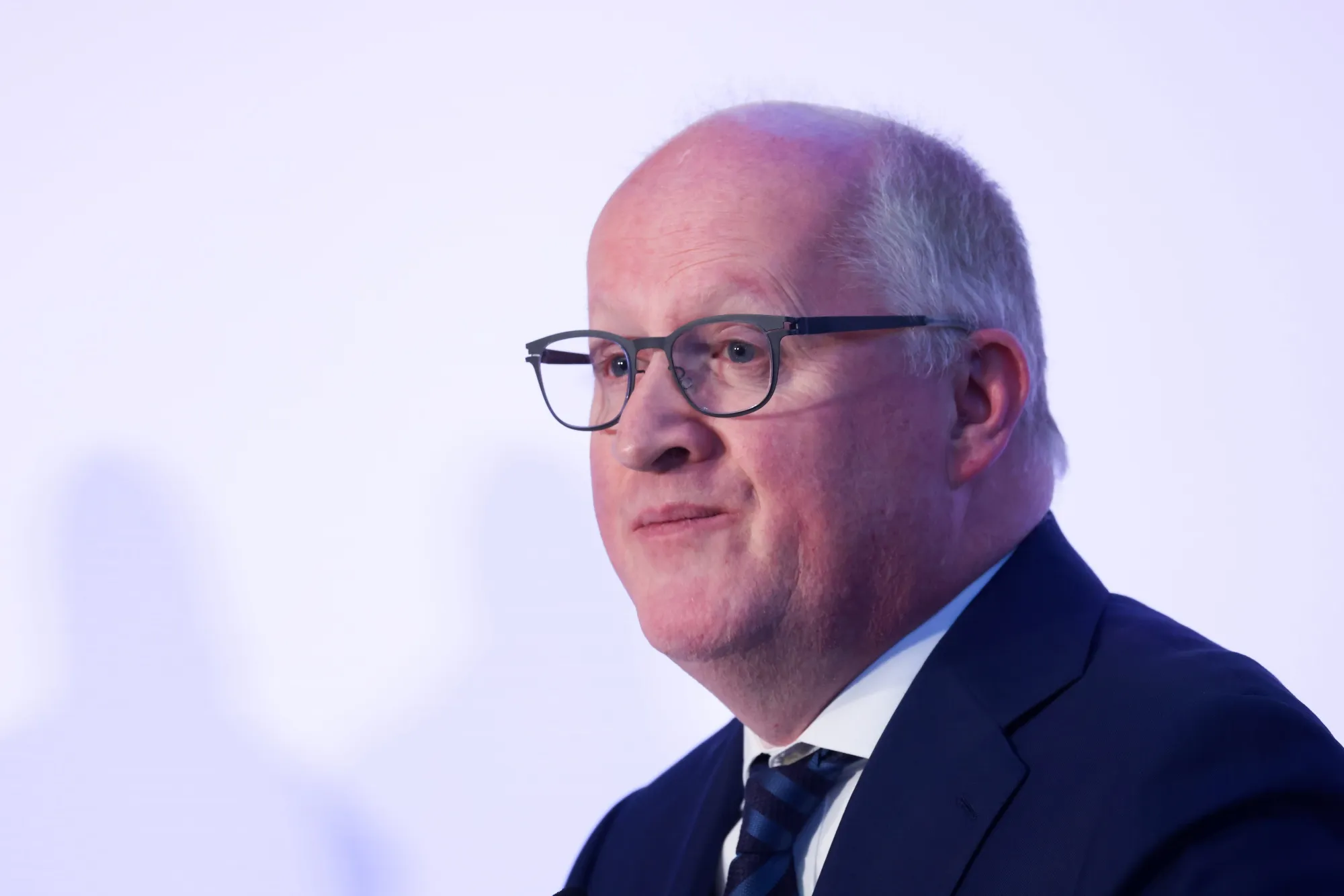
ECB Asks EU Leaders to Begin Search for Chief Economist Lane's Successor, Adding to a Three-Way Leadership Reshuffle
The European Central Bank has formally asked EU leaders to start the process of finding a successor to chief economist Philip Lane, whose term runs out in mid-2027, a request that lands just as the ECB is already working through the early departures of President Christine Lagarde and board member Isabel Schnabel.
The European Central Bank has asked the bloc's leaders to begin the process of choosing a successor to Philip Lane, its chief economist, opening a contest for what will become yet another vacancy on the ECB's Executive Board.
A spokesperson for European Council President Antonio Costa confirmed that the request had gone out to EU member state leaders, formally kicking off a selection process well ahead of the actual vacancy.
A Term That Still Has Time Left, But Not Much
Lane's term as chief economist runs until May 31, 2027, with the seat officially opening up on June 1 of that year. Starting the search this far in advance is itself notable, suggesting EU leaders and the ECB want to avoid a rushed, last-minute scramble for one of the bank's most influential policy-setting roles.
Not the Only Vacancy in Play
The timing is far from a coincidence. The Lane succession process is unfolding alongside two other major changes at the top of the ECB: board member Isabel Schnabel is resigning on January 3 to take up a role at the International Monetary Fund, and ECB President Christine Lagarde is stepping down early as well, ahead of the end of her formal term.
With three seats effectively up for grabs at once, European leaders are expected to negotiate a package deal that divides the vacancies among member countries, the kind of complex political horse-trading that typically accompanies major EU institutional appointments, where national representation and personal qualification both weigh heavily on the outcome.
Why It Matters
A simultaneous reshuffle of the ECB's president, a key board member and its chief economist is a rare alignment, and one that gives EU leaders unusual leverage to reshape the bank's leadership all at once rather than filling vacancies one at a time as they arise. How that package deal gets divided up among member states will likely shape the ECB's policy tilt, hawkish or dovish, for years to come, making this round of appointments far more consequential than a routine personnel change.