
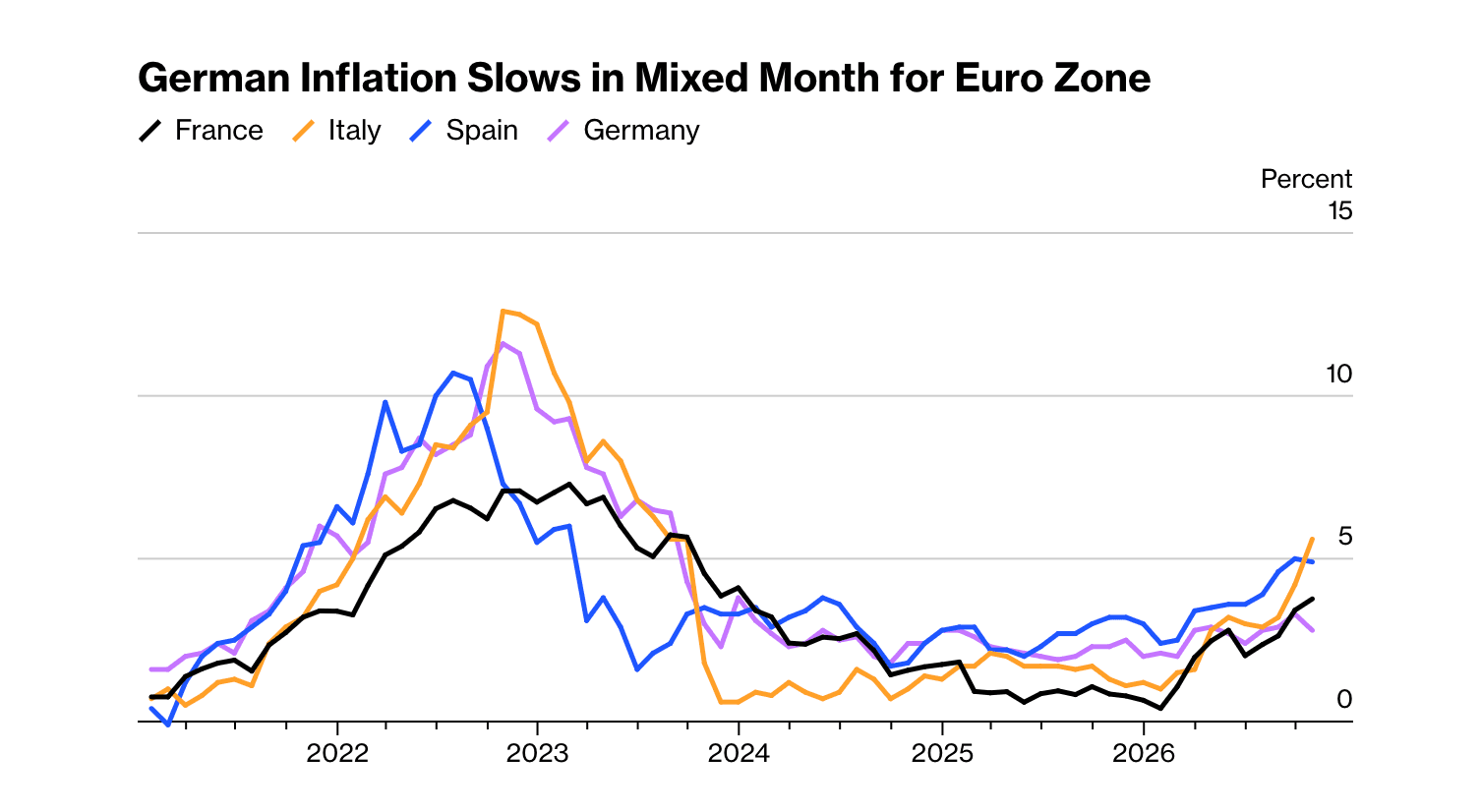
German inflation slowed more than expected in October, with the annual rate coming in around 2.8%, down from 3.3% the month before, according to preliminary data. The drop was sharper than most forecasters had penciled in, giving policymakers in Berlin a rare piece of encouraging economic news after months of stickier price pressure.
A reinstated cut to the federal fuel tax appears to be doing real work behind the numbers. The government reduced the energy tax on petrol and diesel by 14 cents per liter through the end of the year, a relief package that, including VAT, works out to roughly 17 cents off every liter at the pump.
How Much the Fuel Tax Cut Is Actually Worth
Economists estimate the fuel tax relief alone shaved around 0.2 percentage points off the headline inflation rate, a modest but meaningful contribution at a time when every tenth of a point matters for how the European Central Bank reads Germany's price trajectory.
Energy prices overall still rose 12.2% from a year earlier, but that marked a cooling from September's 14.9% increase, suggesting the tax relief is working alongside a broader easing in energy cost pressure rather than single-handedly driving the slowdown.