
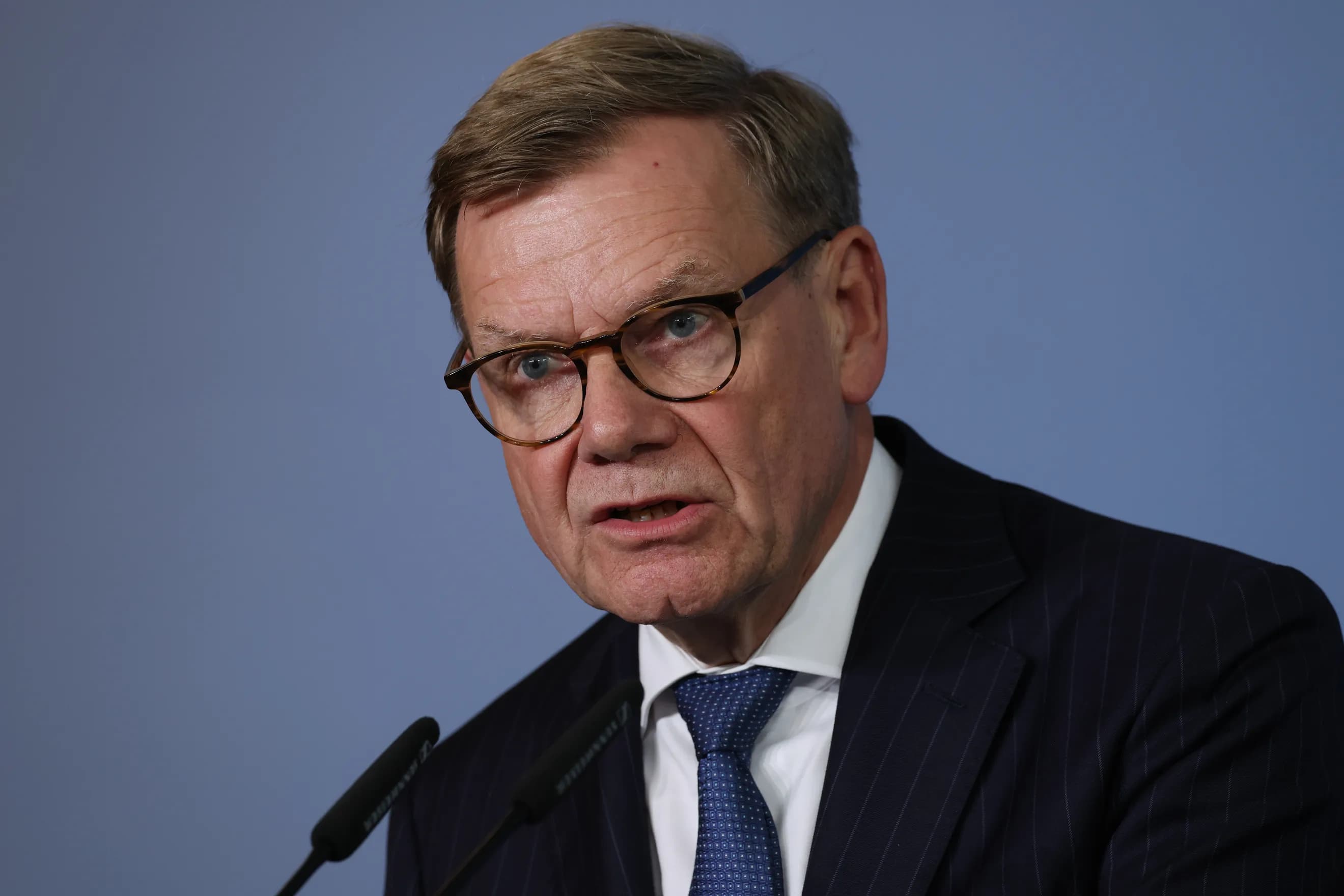
Germany's Foreign Minister Johann Wadephul and his Russian counterpart Sergey Lavrov sat down together on the sidelines of the United Nations General Assembly in New York, marking the first direct meeting between the two countries' top diplomats since before Russia's full scale invasion of Ukraine in 2022.
The encounter itself was brief, running roughly twenty minutes in a room arranged by the Russian delegation, and ended with the two ministers shaking hands before returning to their respective schedules at the assembly.
What Was Raised
According to accounts of the meeting, Wadephul pressed Lavrov on the stalled question of grain exports through the Black Sea, urging Moscow to do whatever it could to help restore a working agreement on shipments that have been disrupted since the war began. He also used the meeting to call on Russia to step back from what he characterized as an escalating and dangerous posture toward Germany, the wider European continent and the NATO alliance.
The specifics of Lavrov's response were not detailed at length, though Russian officials framed the conversation as covering both the war in Ukraine and the broader state of bilateral relations between Moscow and Berlin.
Little Common Ground, by Both Sides' Own Account
Neither side described the meeting as producing a breakthrough. Lavrov told reporters afterward that nothing new had emerged from the discussion, a characterization that suggested Moscow's position remained essentially unchanged going in and coming out. Wadephul, speaking to German public broadcaster ZDF, described the conversation as an intense one but was equally direct that the two sides had not reached agreement on the issues that mattered most.
That mutual acknowledgment of limited progress is itself notable, since it suggests the meeting was less an attempt to negotiate a specific outcome than an effort to keep a minimal diplomatic channel open between two governments that have had almost no direct high level contact since the war began.
Why It Matters
The mere fact that Germany's and Russia's foreign ministers sat in the same room is significant after more than three years without direct engagement at this level, even if the substance of the talks changed little. It signals that both Berlin and Moscow see some value in maintaining at least an occasional line of communication, whether to manage specific issues like grain exports or simply to avoid a complete diplomatic freeze between two countries whose relationship still shapes much of the security picture in Europe.
Whether this single conversation leads to further contact, or proves to be an isolated exception in an otherwise frozen relationship, is likely to depend heavily on how the war in Ukraine itself develops in the months ahead.