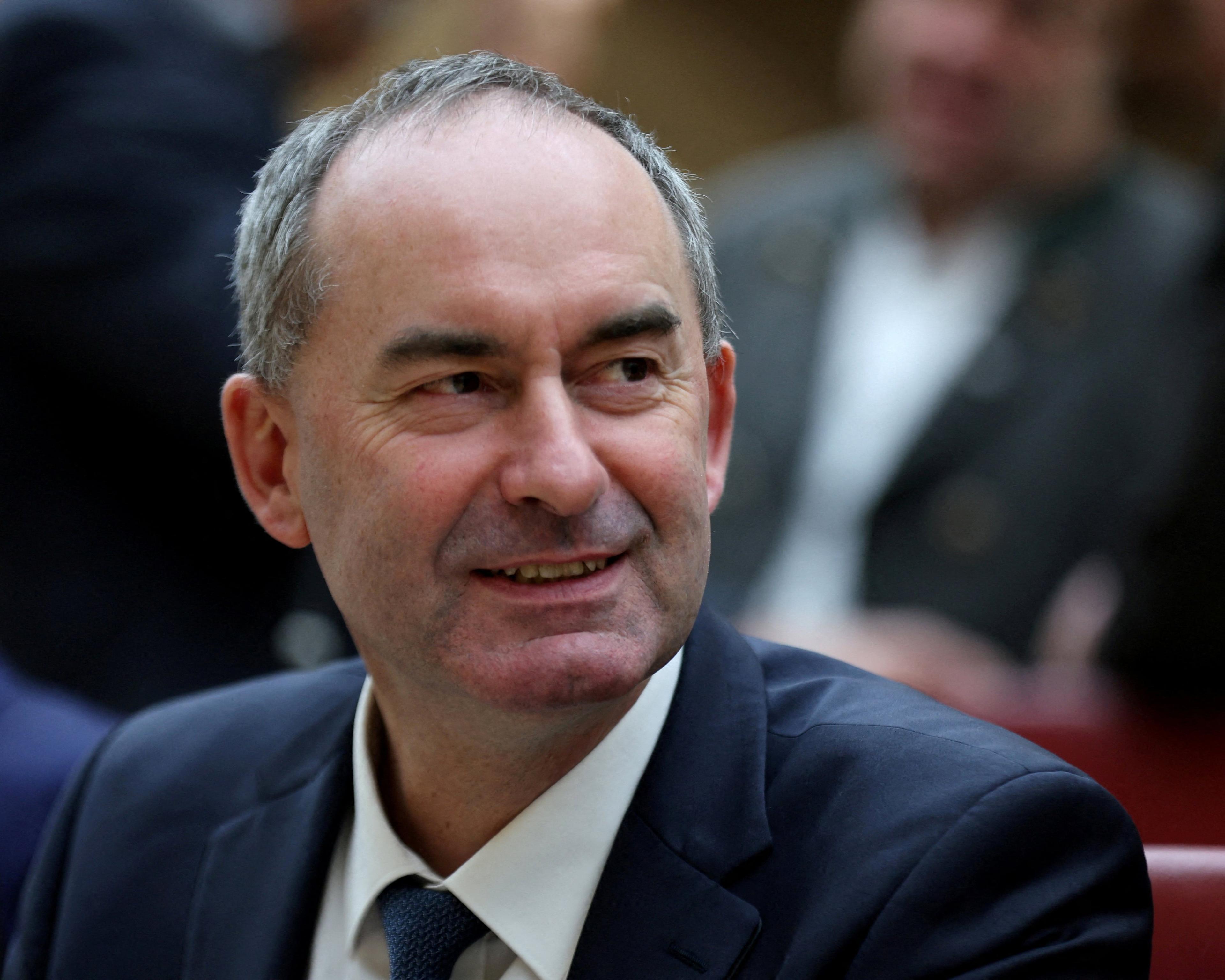
Hubert Aiwanger, the Bavarian economy minister and leader of the populist Free Voters party, was found dead in a Berlin hotel room on Wednesday, police said. He was 55.
Officers discovered Aiwanger in his room at a hotel in the Berlin-Mitte district. Police and prosecutors have opened an investigation to establish the cause and circumstances of his death and to rule out the involvement of a third party.
A trip that ended in tragedy
Aiwanger had travelled to the German capital for the opening of a new Berlin office for his party. According to the Bild newspaper, he did not attend the event because he was feeling unwell. His body was later found in the hotel.
Police released a short statement confirming that he had been found dead in the room but gave no further details. The inquiry is expected to include a post-mortem examination and interviews with staff and companions.
Political reactions
Markus Soeder, the Bavarian state premier, described Aiwanger's death as an "absolute tragedy". He said that he and his colleagues were deeply shocked and that their thoughts were with Aiwanger's family and children.
The Free Voters have been the junior partner in Bavaria's regional government since 2018, serving alongside Soeder's Christian Social Union. Aiwanger's death leaves the party without the leader who shaped its modern identity.
A long career in Bavarian politics
Aiwanger led the Bavarian branch of the Free Voters from 2006. Under his leadership, the party entered the Bavarian state government for the first time in 2018, giving it a share of power at the regional level even though it never won seats in Germany's federal parliament.
Born in 1971, Aiwanger was one of the best-known state politicians in southern Germany. As economy minister, he promoted Bavarian industry, small businesses, and rural interests. His rhetorical style and political positions made him a prominent, and sometimes divisive, figure in the state.
Controversy in 2023
In 2023, Aiwanger faced national scrutiny over reports that, as a 17-year-old schoolboy, he had written an antisemitic pamphlet in which Auschwitz was described as an entertainment quarter. He denied writing the document but admitted to carrying one or a few copies in his school bag. He apologised for the affair but refused to resign.
The controversy dominated headlines for weeks and prompted calls for his dismissal from opposition parties. Soeder kept him in office after Aiwanger gave a public account of the incident. The episode remained a reference point in assessments of his career.
Family and personal life
Aiwanger lived with his partner and had two children. German media reported that his family had been informed before police released details to the public.
Berlin investigators said the next steps would depend on the findings of the post-mortem and forensic tests. They stressed that no conclusions about the cause of death should be drawn until the inquiry is complete.