
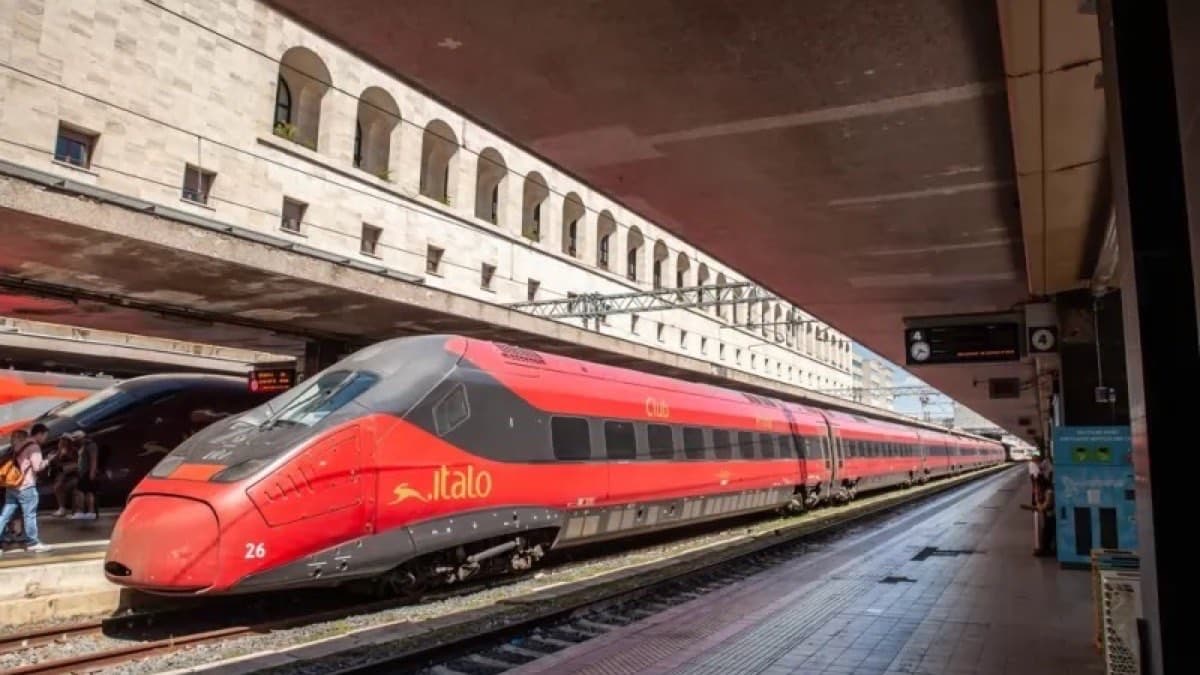
Germany's long distance rail market has long felt closed to outsiders, a single dominant operator running trains on tracks it has known for generations. Italo intends to change that. The Italian company has signed a contract worth about 3 billion euros with Siemens Mobility for 26 high speed trains, the anchor of a wider push into Germany that it values at roughly 3.6 billion euros, or around 4.12 billion dollars.
The order comes with an option for 14 more trains, a signal that Italo sees the first fleet as a starting point rather than the full extent of its ambitions. For a rail market that has grown used to one familiar face, the arrival of a foreign challenger with money to spend and factories lined up marks a genuine shift.
Two corridors, fifty trains a day
Italo plans to begin carrying passengers in the middle of 2028, concentrating on two of the country's busiest spines. The first links Munich with Cologne and Dortmund, the second runs from Munich through Berlin to Hamburg. Between them the company expects to operate around 50 services a day and connect 18 cities, a schedule dense enough to matter to ordinary travellers rather than a token presence on the timetable.
Choosing those routes is a deliberate move. They are among the most heavily travelled in the country, which means they carry both the most demand and, until now, the least competition. By aiming straight at the busiest lines, Italo is betting that frustrated passengers will reward a second option on the journeys they make most often.