
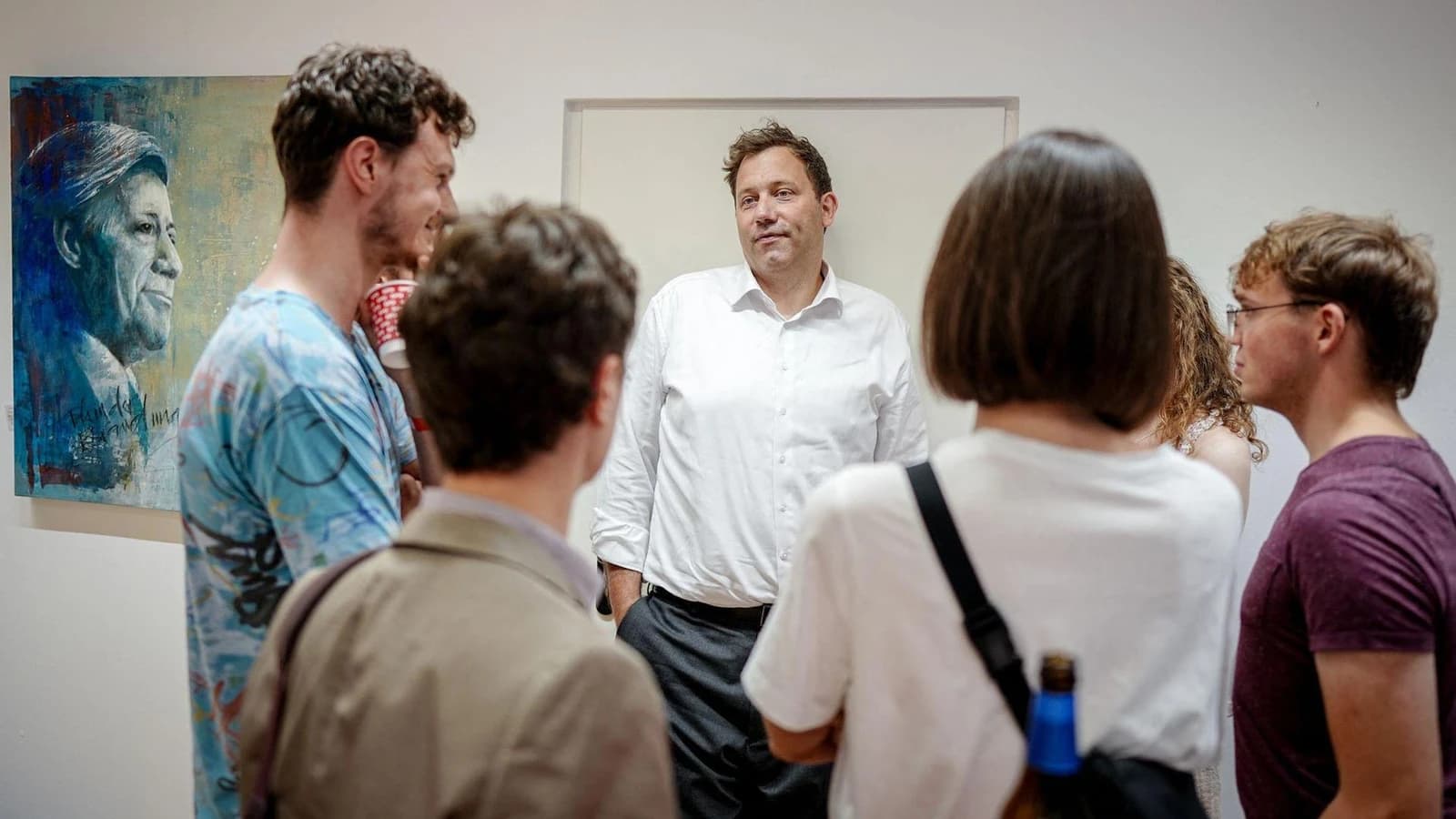
Federal SPD leader Lars Klingbeil spent a day campaigning in Saxony-Anhalt without ever stepping into a setting where he might face open confrontation with angry voters, according to Berliner Morgenpost, which tracked his four stops in Halle and Bitterfeld. The itinerary, the outlet reported, was built around carefully curated encounters rather than the kind of unscripted town-hall exposure that has become a political liability for mainstream parties in the state.
Saxony-Anhalt has emerged as one of the more difficult regions for Germany's governing parties, with the Alternative for Germany polling strongly ahead of elections and voter frustration running high over economic anxiety, migration policy and a broader sense of alienation from Berlin politics. Against that backdrop, a visit by the co-leader of the Social Democrats carries symbolic weight well beyond the specific stops on his schedule.
According to the Morgenpost's account, Klingbeil's day included stops that amounted to friendly, low-friction settings, described in the report as involving little more than "Buletten und Bier," or meatballs and beer, a shorthand the paper used to capture the informal, non-confrontational nature of the events. The framing suggests a campaign appearance designed for warm photo opportunities rather than substantive public debate.
Halle, the larger of the two cities on the itinerary, has long been a stronghold of competitive politics in Saxony-Anhalt, with the SPD historically drawing support from parts of the urban electorate even as the party has bled voters elsewhere in the former East German states. Bitterfeld, a smaller industrial town, has its own history as a symbol of the economic transformation the region underwent after reunification, and remains sensitive territory for any national politician seeking to demonstrate credibility on economic and industrial policy.
The Morgenpost's reporting frames the visit as emblematic of a broader challenge facing the SPD leadership: how to campaign in a region where public sentiment toward the governing coalition has soured, without exposing senior figures to the kind of hostile encounters that have periodically embarrassed other politicians during walkabouts in the east. Shielding a party leader from direct contact with agitated citizens can protect the messaging of a single day, but critics argue it also reinforces the perception that Berlin-based politicians are out of touch with voters in the region.