
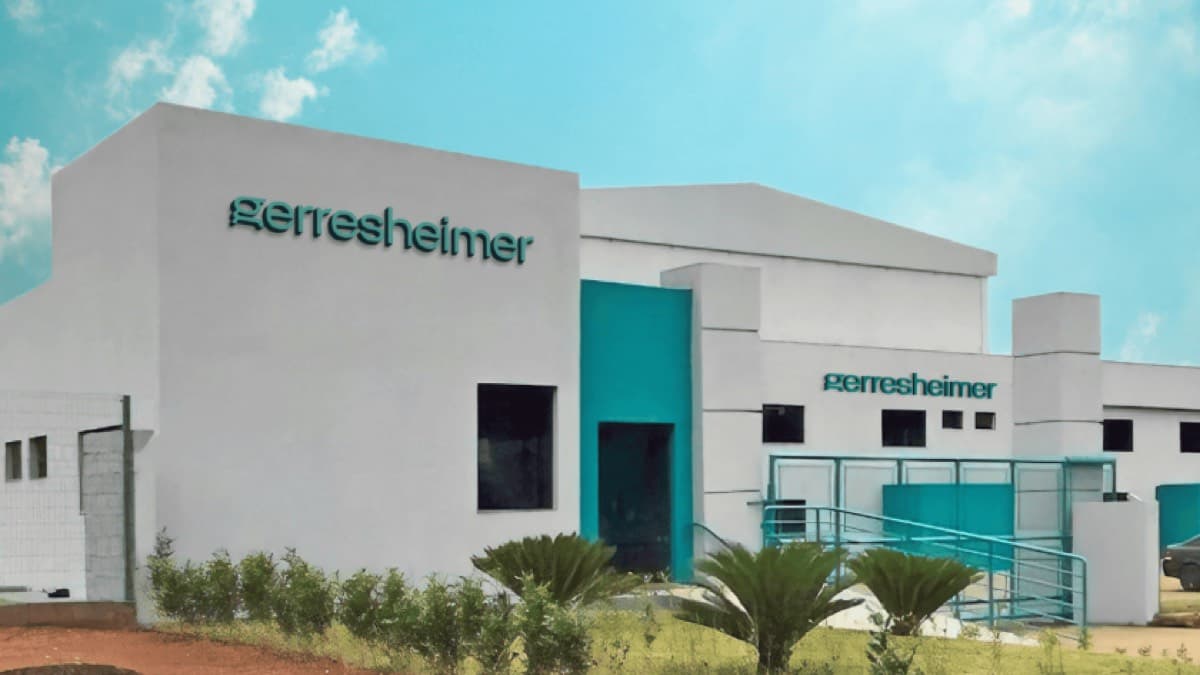
Gerresheimer, the German maker of glass and plastic packaging for the drug industry, is carving off a large slice of its business. The company has agreed to sell two of its plastic packaging operations to the private equity firm Apax in a deal valued at around 1.5 billion euros, or roughly 1.7 billion dollars, in one of the bigger corporate separations to come out of the German healthcare sector this year.
The businesses changing hands are Centor, the group's American prescription packaging arm, and its global Primary Packaging Plastics unit. Together they brought in about 570 million euros of revenue in the last financial year and employ close to 2,400 people, so this is far more than a minor tidying of the portfolio. It is a deliberate reshaping of what Gerresheimer wants to be.
A carve-out in two parts
The transaction is structured to unfold in stages. The sale of Centor is expected to close by the end of 2026, while the handover of the larger Primary Packaging Plastics business is set to complete by the end of 2027. Splitting the timeline reflects the complexity of separating operations that have long sat inside a single group, from shared sites to tangled supply chains.
For Apax, the appeal is a pair of established businesses with steady demand. Packaging for medicines is a defensive corner of the market, since drugs still need bottles, closures and containers regardless of the economic weather, and private equity buyers prize exactly that kind of dependable cash generation. Carving the units out of a listed parent gives the firm room to run them on its own terms.
Why Gerresheimer is selling
For Gerresheimer the logic runs the other way. The company has been steering toward the higher-value end of drug packaging, the specialised glass and delivery systems used for injectables and biologic medicines, where margins are richer and competition is thinner. Shedding the more commoditised plastics operations frees management to concentrate on that core and to put the proceeds to work strengthening its position.
The move sits alongside a wider reshaping at the group. Gerresheimer has been running a transformation programme that includes hard decisions elsewhere, among them the planned closure of a moulded glass plant in Chicago Heights, Illinois at the end of the 2026 financial year. Taken together, the steps point to a company trimming the parts of its business that no longer fit and doubling down on the ones that do.
What it means
A deal of this size reshapes the map of pharmaceutical packaging in Europe and the United States alike. It hands Apax two market-leading operations and turns Gerresheimer into a more focused, and smaller, maker of high-end drug containment. For the roughly 2,400 employees involved, it means a new owner and the uncertainty that usually travels with a change of hands, even in a business as steady as this one.
The broader signal is about how mature industrial groups are managing themselves in a demanding market. Rather than trying to do everything, Gerresheimer is choosing to be excellent at less, selling a profitable but lower-margin business to a buyer that wants it and using the cash to sharpen its own edge. Whether that focus pays off will be judged over the years it takes the two halves of this deal to fully come apart.