
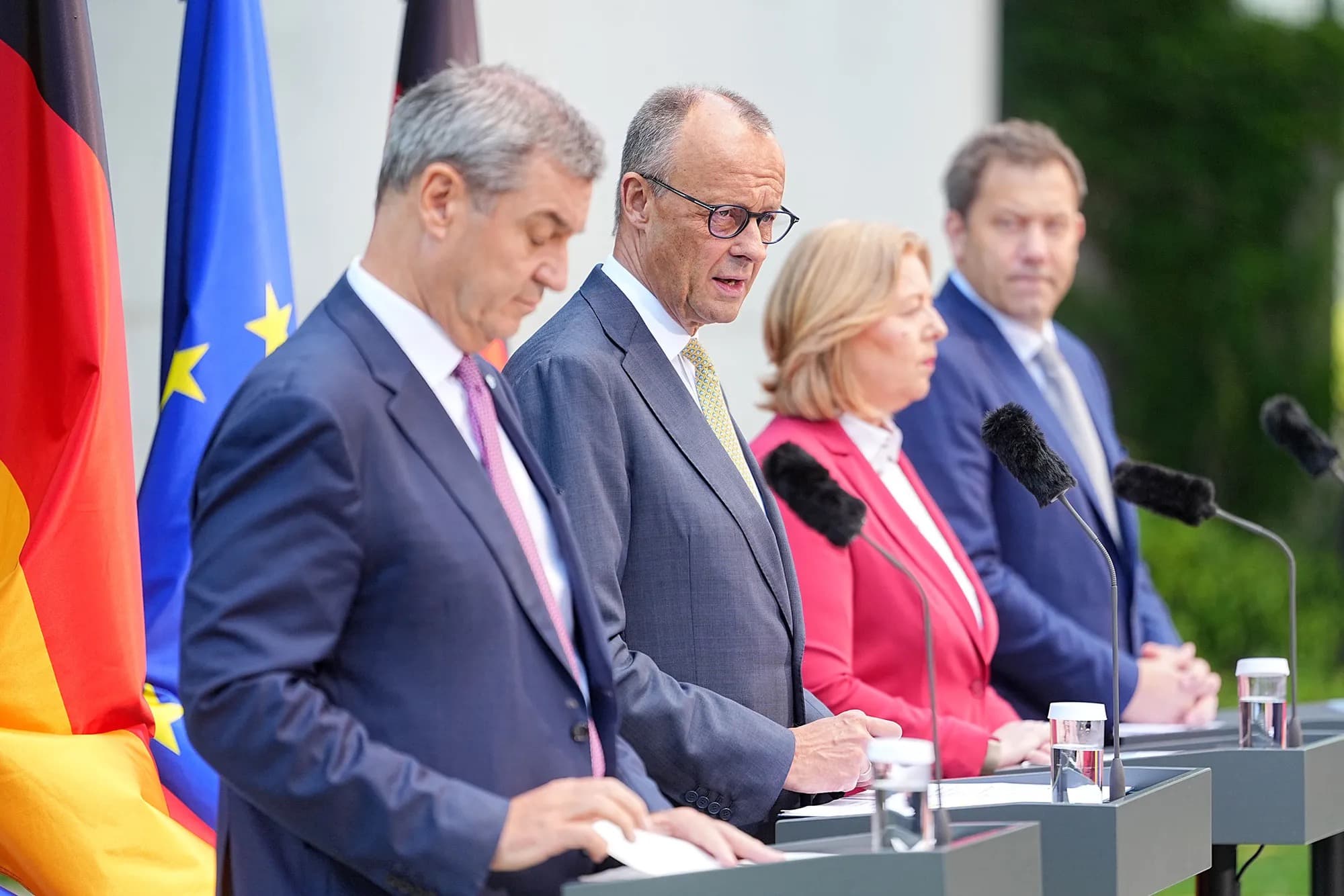
A wave of reforms to Germany's health and pension systems is moving through Berlin, and while the political fights play out in press conferences, the real question for most people is simpler. What will it do to my money?
The short answer is that many households should brace for paying a little more and getting a little less, as the government tries to close a widening gap in the systems that pay for health care and retirement.
Health insurance is the pressure point
The most immediate squeeze is on statutory health insurance, known as the GKV. Rising costs, an ageing population, and a shrinking base of contributors have opened a funding hole that the coalition is scrambling to fill. Chancellor Friedrich Merz has called for the burden to be shared fairly, but the parties have yet to agree on how.
One idea on the table would lift the ceiling on the income that health contributions are calculated from. That sounds technical, but the effect is concrete. Higher earners would pay more, and because those earners are concentrated in wealthier regions, one analysis found that more than two-thirds of the extra cost would fall on just four states, Baden-Württemberg, Bavaria, Hesse, and North Rhine-Westphalia.
Alongside the contribution debate, patients are being warned to expect higher co-payments and a thinner list of covered services. In plain terms, the same insurance card is likely to cover less than it does today.
The pension picture is shifting too
On pensions, the direction of travel is a gradual move away from leaning on the state alone. Merz has argued for a structural overhaul in which occupational and private, capital-funded pensions carry more of the weight, while the statutory system is treated mainly as a floor of basic old-age security.
For younger workers, the message is clear enough. The state pension will still be there, but relying on it alone is likely to mean a leaner retirement, and building private or workplace savings on top is becoming less of an option and more of a necessity.
A loophole that is about to close
One change is already sharp enough to name a date. From 2027, working pensioners who draw a partial pension worth two-thirds or more of their full entitlement will lose the right to sick pay from statutory health insurance. The government says it is closing a loophole that had been widely used, but for the people affected it removes a safety net they had been counting on.
What it means for you
Taken together, the reforms point in one direction. The cost of Germany's social insurance is rising, and more of it is being pushed toward individuals, whether through higher contributions, bigger co-payments, or a greater need to save privately for old age.
Nothing here is fully settled, and the details will keep changing as the coalition argues them out. But the sensible move for households is to treat this as a signal rather than wait for the final print. Checking your health cover, understanding how much of your retirement rests on the state, and topping up private savings where you can are the kind of steps that look prudent no matter how the politics land.