
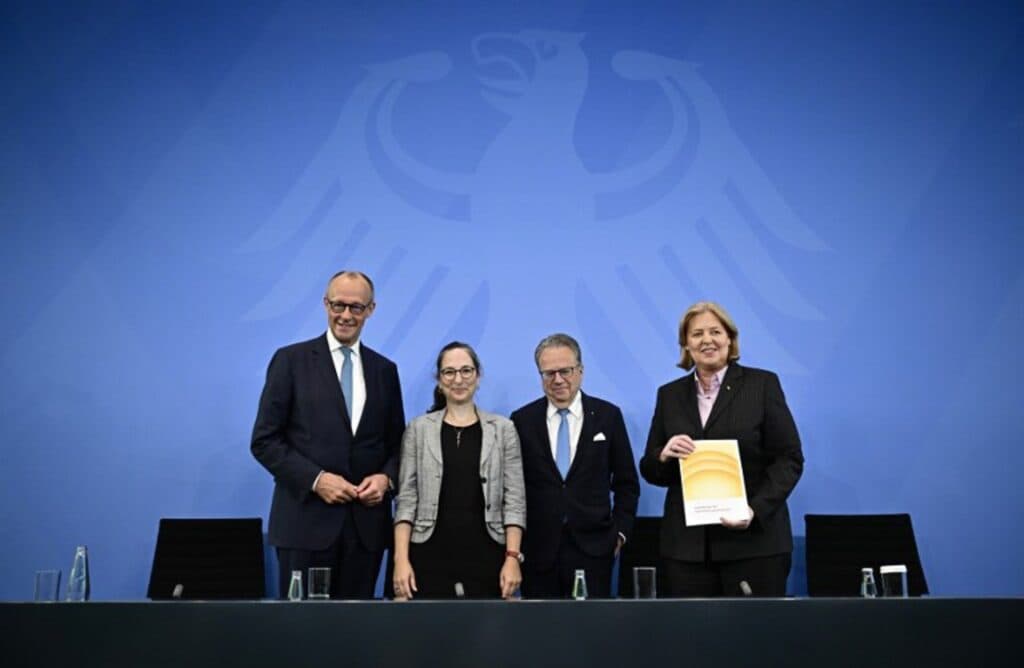
Germany is preparing one of the biggest overhauls of its pension system in a generation, a package meant to ease the load on younger workers who fear they will end up poorer than their parents. The relief, analysts caution, will arrive slowly, and the climb facing the young remains a steep one.
The proposals try to answer a hard demographic question. A shrinking workforce is being asked to support a swelling number of retirees, and the math has been getting worse for years. The government wants to spread that burden more fairly across generations rather than let it fall almost entirely on those still building their careers.
What the plan would change
At the centre of the package is a move to tie the retirement age to life expectancy, lifting it gradually from 67 toward 70. The plan would also wind down popular early retirement options and channel fresh contributions into a state run investment fund, an attempt to put part of the system on a funded footing rather than relying purely on today's workers to pay today's pensioners.
The urgency is written into the numbers. By 2040, around 13.3 million people who are economically active today will have passed the current retirement age of 67. That is close to 30 percent of last year's working population, a wave of departures that the system as it stands is not built to absorb.
Relief that comes slowly
For all the ambition, economists warn that younger Germans should not expect a quick payoff. The reforms would, in the words of Carsten Brzeski, global head of macro at ING, "only very gradually shift the balance towards the younger generation", a verdict aimed at those aged 45 and under. The structural advantages their parents enjoyed, cheaper housing and a kinder job market, are not things a pension law can hand back.
That gap is feeding a darker national mood about the future. The share of Germans who believe their children will be worse off financially than they are climbed to 61 percent in 2024, up from around half in 2018. A pension overhaul, however well designed, lands in a country that has grown used to expecting less for the next generation.
A balancing act with no easy answer
The politics are delicate. Raising the retirement age and trimming early exit routes are never popular, and any government that touches pensions risks a backlash from older voters who turn out in large numbers. Yet doing nothing would leave younger workers carrying an even heavier bill later, a trade off ministers are trying to sell as fairness across the generations.
For now the plan is a statement of intent more than a settled law, and the details will be fought over in the months ahead. What is clear is the direction. Germany is asking people to work longer and save more, and telling its young that the system can be steadied, even if the path to the comfortable retirement their parents knew runs uphill from here.