
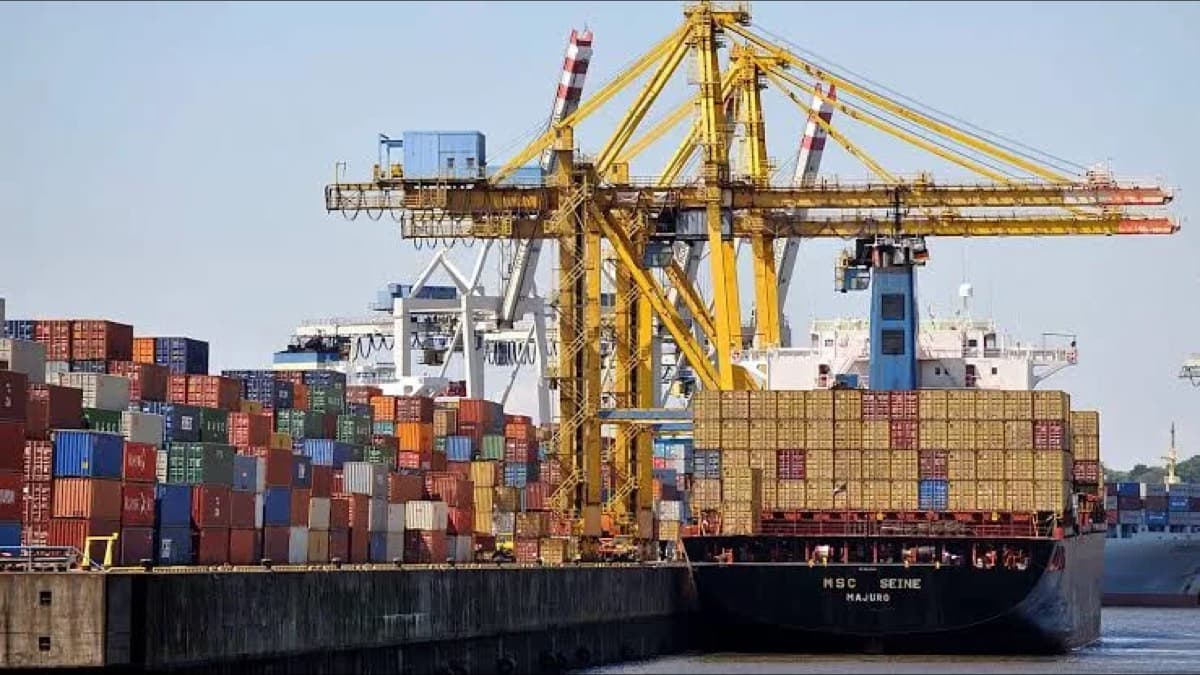
Germany's trade relationship with China has tilted sharply out of balance, with the country now running a deficit of around 55 billion euros. Once a reliable source of surplus for German industry, the China trade has flipped into a widening gap, as German exports to the country slide and a rising tide of Chinese goods flows the other way.
The shift matters because China has been one of Germany's most important markets for decades. German carmakers, machinery firms and industrial suppliers built much of their success on selling into a fast-growing Chinese economy. That engine is now sputtering for them, and the numbers show just how far the ground has moved.
Exports down, imports up
The deficit is the product of two forces pulling in opposite directions. On one side, German exports to China, the cars, machines, equipment and industrial products that have long defined the country's sales abroad, have fallen noticeably. On the other, imports from China keep climbing, led by electronics, electrical equipment and a broad range of industrial and consumer goods.
Put together, those trends turn what used to be a comfortable surplus into a substantial shortfall. Germany is buying more from China than it sells there, a reversal that would have seemed unlikely not long ago and that speaks to a deeper change in the balance of industrial power between the two.
What is driving the decline
Several pressures are squeezing German exporters at once. Higher energy costs at home have raised the price of making goods in Germany, while weak demand around the world has thinned out orders. At the same time, Chinese companies have grown far more competitive, matching or beating German firms in technology, cars and industrial equipment both inside China and in third markets.
The car industry sits at the heart of the problem. The shift toward electric vehicles has reshaped the market, and Chinese manufacturers have moved quickly into the space, eroding the advantage German brands once enjoyed. Where German companies used to rely on Chinese buyers for their vehicles and machinery, they now face Chinese rivals selling competing products at lower prices.
A strategic bind
The figures leave Berlin with an awkward choice. China remains too large and too important to walk away from, yet the growing dependence on Chinese imports, and the loss of ground for German exports, carries real economic and strategic risk. The instinct to diversify supply chains and lean less on a single partner runs headlong into the reality of how deeply the two economies are intertwined.
That tension is unlikely to ease soon. Reducing reliance on China takes years and money, and doing it while Chinese firms keep gaining share only sharpens the dilemma. For a country whose prosperity was built on exporting to the world, a swelling deficit with its most important Asian partner is more than a line in the trade data. It is a warning about the future of German industry.