
A night of celebration in Berlin turned to horror on Friday when a van was driven at speed into crowds gathered for the city's Christopher Street Day, the annual march for LGBTQ rights. The attack happened at around 10 in the evening on the Ahornsteig, a path running through the Tiergarten park not far from the Brandenburg Gate, and left one woman dead and a number of others badly hurt.
According to authorities, the driver climbed out of the vehicle after ploughing through the crowd and fled the scene on foot. Officials say the same man is suspected of then turning a bladed weapon on people nearby, a second phase of violence that added to the toll and deepened the sense of panic among revellers who moments earlier had been marking a day of pride and protest.
The casualties
One woman was killed in the attack, though her identity has not been released. Beyond that, at least sixteen people were injured, several of them in a critical condition, with others left seriously or slightly hurt. Officials gave a range of figures through the night as medics worked at the scene and the full scale of the harm was still being assessed, and there were warnings that the number of wounded could rise.
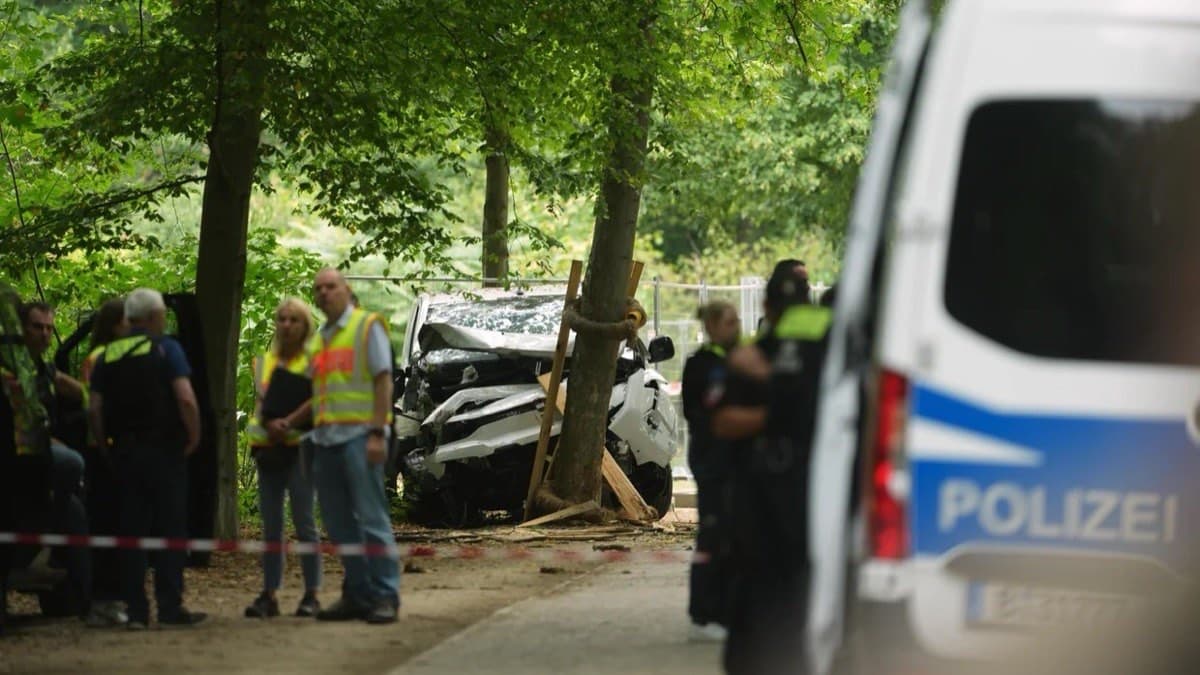
Emergency crews sealed off a stretch of the park as they treated the injured and combed the area for evidence. Photographs from the site showed a wrecked car pushed up against a tree, its front end crushed, ringed by police tape while officers in high visibility jackets stood guard, a stark image of a public festival transformed into a crime scene.
A suspect named, then killed
Germany's interior minister, Alexander Dobrindt, identified the suspect as Abdul Ballout, a 21 year old who was born in Germany and has Lebanese roots. Hours after the attack, police tracked the man to Spandau, a district in the west of the city. Authorities say he ran toward officers carrying a bladed weapon, and they opened fire, killing him at the scene.
Because the suspect is dead and the investigation is still unfolding, key questions remain open. Investigators have not fully confirmed whether he acted alone or had help, and they were examining whether others may have been involved. Reports of at least one arrest circulated in the aftermath, but officials had not spelled out any confirmed link to the attack.
Officials point to terrorism
Dobrindt did not hedge on how the government reads the assault. Everything being seen at the site, he said, indicates that this was an Islamist terrorist attack. That framing shaped the official response through the night, even as police stressed that the formal investigation into motive and method was only beginning.
The suspect was known to the authorities before Friday. According to accounts of his record, Ballout had previously drawn the attention of security services over an attempt to join the Islamic State group and had been convicted in connection with preparing a serious act of violence against the state. How closely he was being monitored, and whether warning signs were missed, are certain to become central questions in the days ahead.
A city on edge
The attack lands on a country that has seen a string of vehicle assaults on crowds in recent years, from Christmas markets to public festivals, each one feeding a wider anxiety about security at open air events. Christopher Street Day draws large numbers into the heart of Berlin every summer, and the sight of that gathering targeted has hit a nerve well beyond the LGBTQ community it celebrates.
For now the city is left to grieve a woman killed while marking a day meant to affirm freedom and visibility, and to worry over those fighting for their lives in hospital. Investigators face the task of establishing exactly what happened on the Ahornsteig, whether anyone else bears responsibility, and how a man already flagged to the authorities came to carry out such an attack. Berlin, once again, is counting its dead and asking how it could have been prevented.