
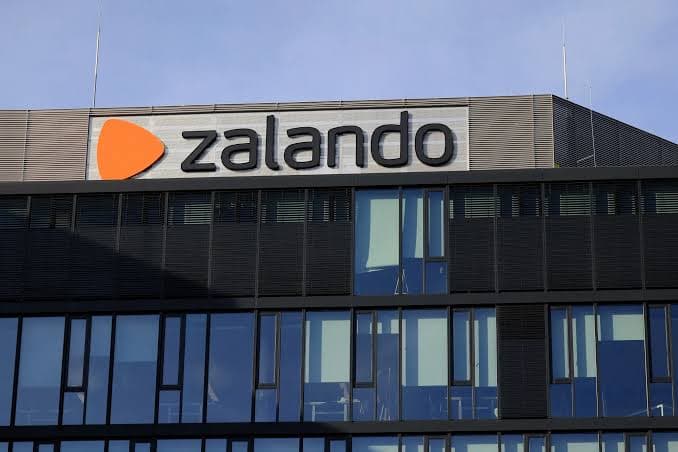
Shares in Zalando dropped sharply on Friday after Germany's financial regulator opened an investigation into how the online fashion retailer disclosed a deal involving its largest shareholder, a stumble the company insists is a paperwork problem rather than a financial one.
The watchdog, BaFin, said it was examining whether Zalando left out required information about a related party transaction tied to its purchase last year of the rival retailer About You. At issue is the role of Anders Holch Povlsen, the Danish billionaire who is Zalando's biggest shareholder and who also held a stake in About You.
What the regulator is asking
According to the regulator, details of that connection may have been incorrectly omitted from the notes to Zalando's consolidated financial statements in its annual report. When a major shareholder sits on both sides of an acquisition, accounting rules generally require a company to spell out the relationship so investors can judge whether the deal was struck on fair terms.
Zalando played the matter down. The company called it a "purely formal issue" and said it does not expect the inquiry to affect its key financial figures or its day to day performance. In other words, the question is about how a transaction was described, not about whether the numbers underneath it were wrong.
Investors react first, ask later
Markets did not wait for that distinction. Zalando shares fell as much as 10.6 percent before recovering roughly half of the drop later in the session, a sign that investors were rattled by the word investigation even as they weighed the company's reassurances. Regulatory probes tend to move stocks quickly because they carry the risk of fines, restatements, and a longer cloud over management.
The About You takeover was meant to cement Zalando's position as Europe's leading online fashion platform. A disclosure dispute over that very deal is an awkward footnote to a purchase the company has presented as a strategic win.
A familiar kind of scrutiny
BaFin has been more assertive about policing corporate disclosure since the collapse of the payments group Wirecard, an episode that battered the regulator's reputation and pushed it to take a harder line on what German companies tell their investors. Related party transactions, where insiders stand to benefit from a deal, sit near the top of its list of concerns.
For Zalando, the immediate task is to convince the market that this is what it says it is, a formality. If the regulator agrees, the episode will fade into the fine print. If it does not, a story the company calls purely formal could become something harder to wave away.